By Dillon Gray LeFan
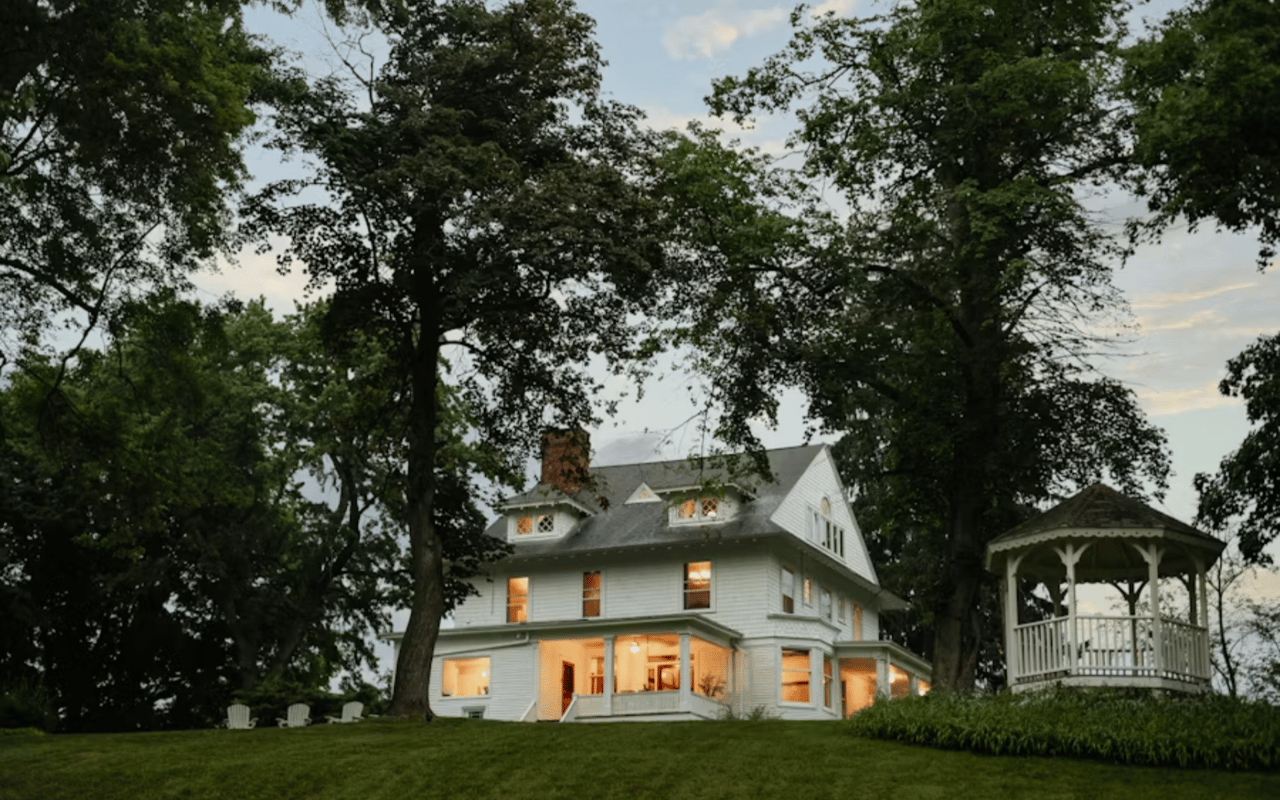
Though well-known for newer subdivisions and corporate campuses, Chesterfield preserves a meaningful historic layer through places like Thornhill at Faust Park, the Burkhardt Historic District near Chesterfield Airport Road and Baxter Road, and a group of locally recognized “Century Houses.”
We like approaching older-home ownership here as a matter of careful stewardship rather than heavy reinvention, because the houses that remain from Chesterfield’s earlier eras tend to hold their appeal through original materials, simpler forms, and a strong connection to the city’s rural past.
Key Takeaways
- Start with repair: Original materials usually deserve evaluation before replacement.
- Use permits: Exterior and structural work often needs city review.
- Watch moisture: Drainage, masonry, roofing, and windows need regular attention.
- Think local: Chesterfield’s historic pockets each carry different maintenance priorities.
Begin With Documentation and a Baseline Inspection
The first step with any historic property is understanding exactly what is original, what has been changed, and which elements are now carrying the most risk.
The first items worth reviewing
- Historic fabric: Identify original windows, trim, flooring, masonry, doors, and millwork.
- Past alterations: Note additions, siding changes, replacement windows, and later porch work.
- Structural condition: Review foundation movement, settling, roof lines, and visible drainage issues.
- Photo record: Create a room-by-room and exterior record before repairs begin.
We always recommend documenting the house carefully before starting work, because that makes it easier to separate true preservation priorities from cosmetic distractions.
Repair Original Materials Before Replacing Them
Historic buildings tend to hold value through the survival of their original materials, and national preservation guidance strongly supports repair-first thinking.
The materials most worth saving
- Wood windows: Repair, weatherstrip, reglaze, and restore operability before considering replacement.
- Original woodwork: Strip back heavy paint buildup or repair damaged trim instead of replacing it wholesale.
- Masonry: Repoint failing mortar with compatible materials rather than using overly hard modern mixes.
- Historic doors: Preserve old doors and hardware where possible because they carry much of the house’s character.
The National Park Service says preservation work generally focuses on ongoing maintenance and repair of historic materials and features rather than extensive replacement and new construction, and Missouri Preservation makes the same argument very clearly for old wood windows.
Pay Attention to Water, Drainage, and Seasonal Stress
Chesterfield’s historic settlement areas developed near creeks, valleys, and older road corridors, so drainage and weather exposure deserve close attention before any finish work is planned.
The exterior issues to monitor most closely
- Roofing and flashing: Inspect regularly for small failures around chimneys, valleys, and penetrations.
- Gutters and downspouts: Keep water moving away from the foundation and away from wood trim.
- Foundation drainage: Make sure grading carries water clear of the structure after storms.
- Masonry joints and painted wood: Repair open joints, failed caulk, and peeling paint before water gets deeper into the envelope.
Moisture is usually the issue that turns a manageable repair into a much larger one, especially in older construction.
Use Local and State Guidance Before Starting Major Work
Older houses in Chesterfield often need a more deliberate planning process because even ordinary improvements can affect character in visible ways.
The approvals and resources to check first
- City permits: Confirm whether exterior changes, structural repairs, or system work need permits.
- Planning review: Ask early questions if the property sits in a historically sensitive area or visible corridor.
- SHPO resources: Use Missouri’s State Historic Preservation Office for National Register and preservation-program guidance.
- Preservation standards: Review the Secretary of the Interior’s Standards before major rehabilitation work.
The City of Chesterfield states that building permits help ensure a project complies with building and zoning codes, while the Missouri State Historic Preservation Office remains a useful resource for National Register information, tax-credit review, and broader preservation guidance.
Match Maintenance Plans to Chesterfield’s Historic Context
Historic homes in Chesterfield are not concentrated in one picture-postcard district, which means maintenance planning should reflect the specific setting of the property.
The local context clues that should shape the work
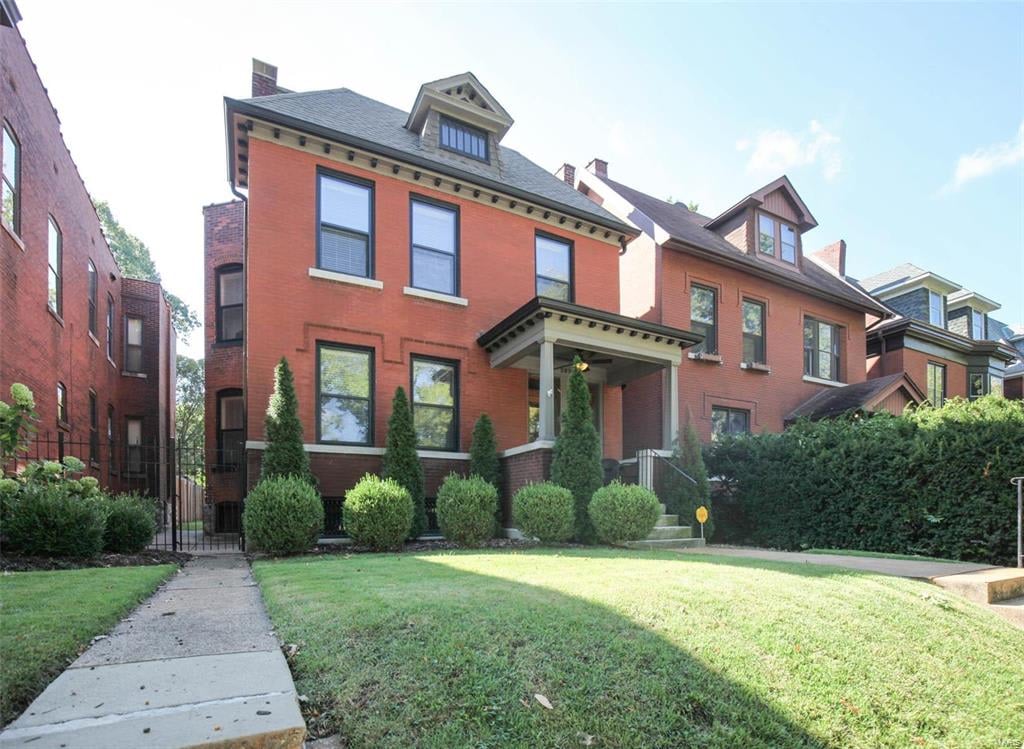
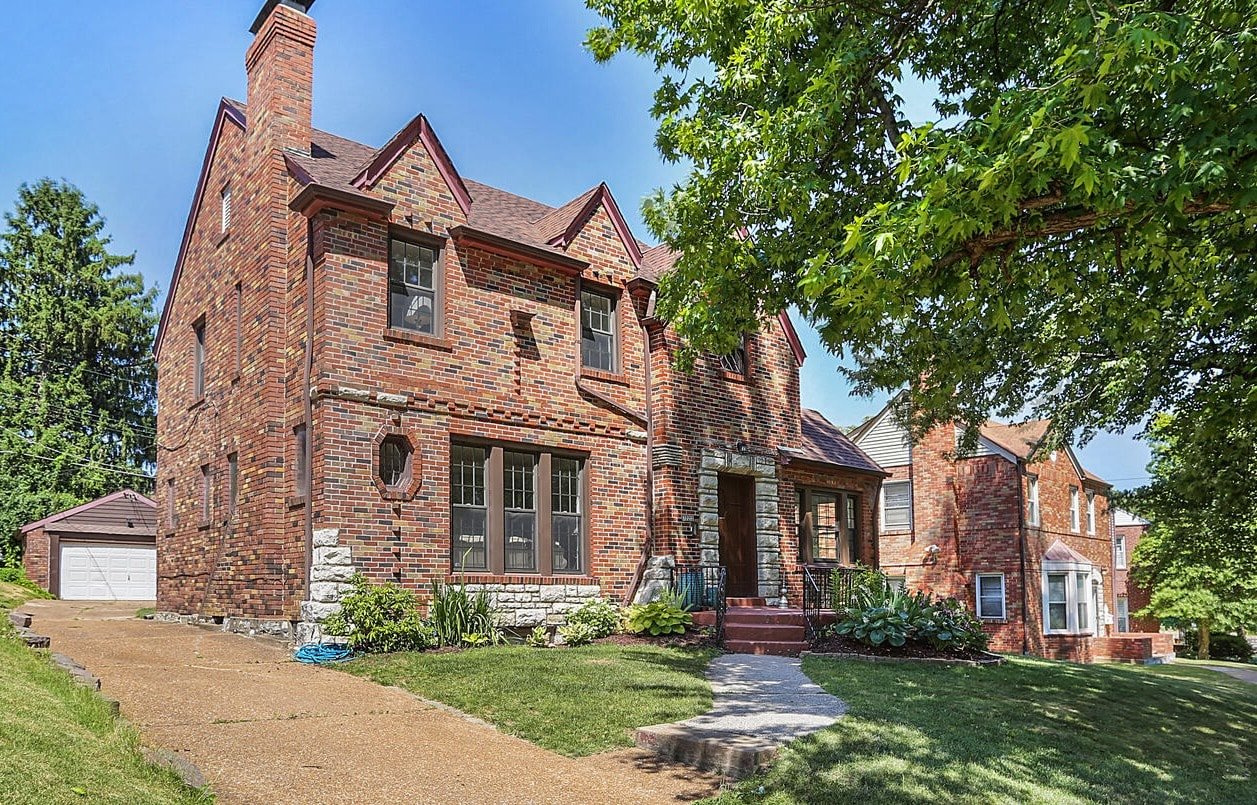
- Burkhardt-era houses: Brick and tile bungalows benefit from careful masonry and roofline maintenance.
- Rural-era sites: Larger lots and older outbuildings often require a broader exterior maintenance plan.
- Historic corridors: Homes near older roads may deserve more attention to porch details and street-facing elevations.
- Landscape setting: Mature trees, creek proximity, and grade changes should influence drainage and foundation planning.
That local lens makes the maintenance plan more realistic, because the house is being cared for in the context where it actually sits.
FAQs
Are there many historic homes left in Chesterfield?
There are fewer than in older inner-ring communities, though Chesterfield still retains a meaningful historic layer through places like Thornhill, the Burkhardt Historic District, and the city’s recognized Century Houses.
Should original windows usually be replaced?
Usually, they should be evaluated for repair first. Missouri Preservation argues that well-maintained historic wood windows can outlast replacement windows and perform very efficiently when weatherstripped and paired with good storm windows.
When should permits be part of the plan?
Permits should be part of the conversation before structural, exterior, or system work begins. The City of Chesterfield states that permits help ensure work complies with local building and zoning requirements.
Contact Dillon Gray LeFan Today
Chesterfield’s historic properties tend to sit in very specific pockets of the city, whether that means older stretches near Wild Horse Creek Road, the Burkhardt area around Chesterfield Airport Road, or homes influenced by the broader history preserved at Faust Park and Thornhill.
Contact us at Dillon Gray LeFan today, and we will help you approach maintaining historic homes in Chesterfield with a strategy that respects the structure, supports long-term ownership, and keeps the property’s character intact.